
Business funding in Waukee
Business loans for Waukee's next chapter
Waukee is a Dallas County community where established corridors and large-scale development are changing how businesses reach customers, employees, and partners. Kettlestone, KeeTown Loop, Alice's Road, Hickman Road, Grand Prairie Parkway, University Avenue, and nearby Interstate 80 each bring a different operating context. Des Moines Business Loans is an independent business loan broker and business financing broker, not a direct lender. We help businesses understand financing options and may connect qualified businesses with third-party financing providers; we do not make final credit decisions or guarantee approval, rates, terms, amounts, or timing. We help Waukee owners organize financing around the work in front of them, whether that means opening a location, fitting out a space, buying equipment, carrying inventory, adding staff, or managing the timing of a construction or expansion project. The right starting point is a clear use of funds and an honest view of cash flow.
At a glance: Waukee
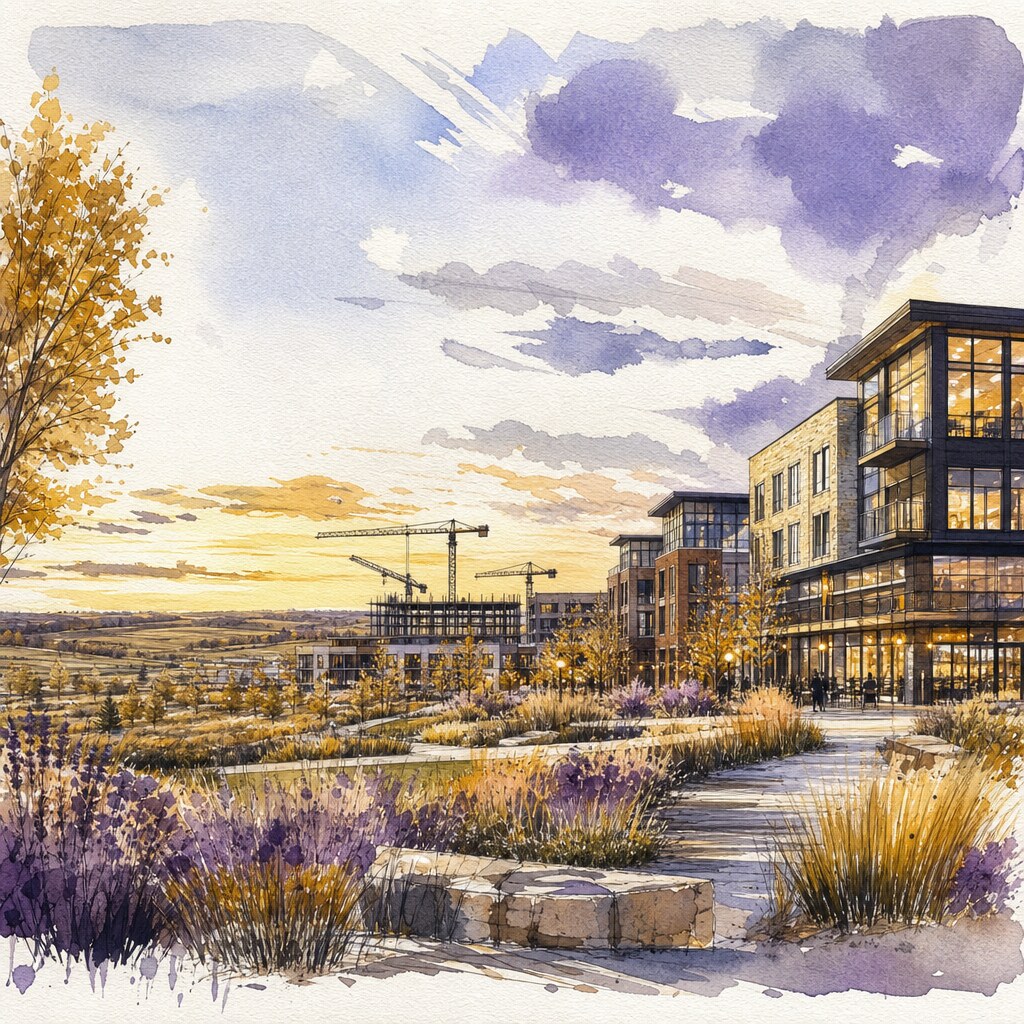
- Kettlestone includes KeeTown Loop and is planned as a major mixed-use area with housing, retail, office, trails, and community spaces.
- The City describes Kettlestone as connected to Interstate 80, Grand Prairie Parkway, and University Avenue, with more than $600 million in private investment and 40-plus businesses established.
- Waukee's Economic Development Department works to attract, develop, retain, and expand diverse businesses.
A development-friendly city
Plan for a market that is still taking shape
Waukee's Economic Development Department says its role is to attract, develop, retain, and expand diverse businesses while supporting employment, quality of life, and livable neighborhoods. The City describes itself as development-friendly and ready to collaborate with people investing in the community. For a local owner, that context can make planning feel both promising and complex: a business must serve today's customers while considering how new housing, commercial space, roads, and amenities may affect tomorrow's location and operating model.
Financing should follow a specific business decision instead of a general assumption about growth. An owner may be comparing a lease in an established corridor with a newer development, preparing a build-out, replacing equipment, or adding capacity to keep up with existing demand. Listing the purpose, expected costs, timing, and repayment source creates a more useful basis for evaluating options.
Kettlestone
Follow opportunity around KeeTown Loop
Kettlestone is home to KeeTown Loop, which the City calls Waukee's premier entertainment district. Major employers, restaurants, and hospitality businesses have already established a presence there. The City's development materials describe more than $600 million in private investment and more than 40 new businesses established in the district, which is connected to Interstate 80 by major roads including Grand Prairie Parkway and University Avenue. Those details make access, visibility, customer experience, and staffing central questions for businesses evaluating the area.
Kettlestone's planned future also matters to a capital plan. The City's About page describes potential for up to 7,000 new housing units, 3.8 million square feet of commercial retail space, and 5.5 million square feet of commercial office space over the next 20 years. That is a planning outlook, not a guarantee of traffic or revenue. Owners can use it as context while relying on their own lease terms, customer research, expenses, and sales history to decide whether improvements, equipment, marketing, or additional payroll are supportable.
Growing corridors
Connect Alice's Road and Hickman Road plans
Waukee's growth is not confined to Kettlestone. City information describes expansion along Alice's Road from University Avenue north to Hickman Road, while the Hickman Road Corridor is evolving with new businesses, a future elementary school, and housing developments. For businesses in or near these routes, the practical questions may include construction timing, customer access, delivery patterns, signage, parking, and how a changing neighborhood affects staffing and daily schedules.
A funding request can account for the stages of that work. A contractor or service company may need tools, vehicles, technology, or payroll capacity while projects progress. A storefront may need fixtures, inventory, exterior work, or a redesigned customer area. A growing office may be considering furniture, computers, or a larger space. Breaking costs into milestones helps an owner identify which needs are urgent, which can be paid from operations, and which deserve a separate financing discussion.
Access and location
Use Waukee's road network thoughtfully
Grand Prairie Parkway and University Avenue connect Kettlestone to the broader Waukee area, and the City highlights the district's proximity to Interstate 80. Alice's Road and Hickman Road add other important routes for customers, workers, vendors, and project traffic. Access can support a range of businesses, from restaurants and hospitality to retail, professional services, trades, and companies serving other businesses. It can also bring location-specific costs, such as tenant work, delivery equipment, fleet needs, or signage.
Before borrowing, owners should test the project against the way money moves through the business. Estimate deposits, materials, rent, payroll, insurance, taxes, and vendor terms by month rather than relying only on an annual projection. If a new location is involved, distinguish leasehold improvements and equipment from launch marketing and the cash needed while customers learn the location. A clear budget gives the owner a better way to discuss options and recognize when the proposed obligation would be too heavy.
Local business support
Pair city resources with careful preparation
Waukee's economic-development team says city staff help projects run smoothly and provide expertise to guide business partners. That approach can help owners assess a site or expansion. It does not replace financial diligence. Owners still need to confirm their own obligations, understand project assumptions, and decide how much capital is appropriate for the business rather than for a headline about growth.
A well-organized funding brief can include the business story, recent financial information, a purpose for each dollar, vendor estimates, lease or project details, and a monthly view of expected payments. The request might support equipment, inventory, renovations, technology, vehicles, hiring, or working capital during a transition. Specific documentation cannot guarantee approval, but it can make questions easier to answer and help keep the conversation aligned with the company's actual capacity.
A record of investment
Learn from growth without assuming an outcome
The City reported 28 commercial permits in 2022, compared with 19 in 2021, and commercial permit valuation of $103 million in 2022. The same report noted 690 housing units in 2022 compared with 367 in 2021 and highlighted projects including an Access Systems expansion. These are historical figures, not a forecast. They do show why Waukee owners may be navigating a busier development environment with more competitors, partners, residents, and potential customers.
Growth can create practical opportunities and practical pressure at the same time. A company may need to carry more stock, recruit before a new site opens, update systems, or invest in capacity. At other times, a business may need to protect cash while construction, permitting, or tenant work takes longer than expected. Financing should be sized from the owner's records and a documented plan, with the local growth story treated as useful context rather than as a substitute for evidence.
Seasonal cash flow
Prepare for the calendar behind the corridor
Waukee's mix of entertainment, restaurants, hospitality, retail, services, construction, and professional activity can create different cash-flow calendars. Customer-facing businesses may plan around holidays, school schedules, community events, and weather; contractors may see project timing shift with outdoor conditions; business-to-business companies may follow client budgets and invoices. These patterns vary by company, so owners should review their own deposits, sales, payroll, and recurring bills before deciding whether a need is seasonal or part of a lasting expansion.
A useful plan connects the requested capital to a measurable operating purpose. Inventory funding should account for ordering and sell-through, equipment funding should include installation and maintenance, and a build-out budget should cover the full sequence of labor and materials. Working capital should have a defined job during the transition rather than serving as an unexplained cushion. Des Moines Business Loans can help organize those questions for a Waukee business while leaving the final decision grounded in its own numbers and priorities.