
Business financing for Altoona companies
Business loans for Altoona's growing business community
Altoona's position along Interstate 80, close to Interstate 35, gives businesses access to customers, employees, suppliers, and the wider Des Moines metro. The city has three I-80 interchanges, warehouses and distribution centers, major tourism destinations, and a substantial data-center presence. Des Moines Business Loans is an independent business loan broker and business financing broker, not a direct lender. We help businesses understand financing options and may connect qualified businesses with third-party financing providers; we do not make final credit decisions or guarantee approval, rates, terms, amounts, or timing. That mix creates different capital questions for a logistics operator, hospitality business, retailer, contractor, or professional service company. A useful financing plan starts with the specific project, from equipment and vehicles to inventory, improvements, staffing, or working capital, and considers how the investment fits Altoona's development pattern and the company's own cash flow.
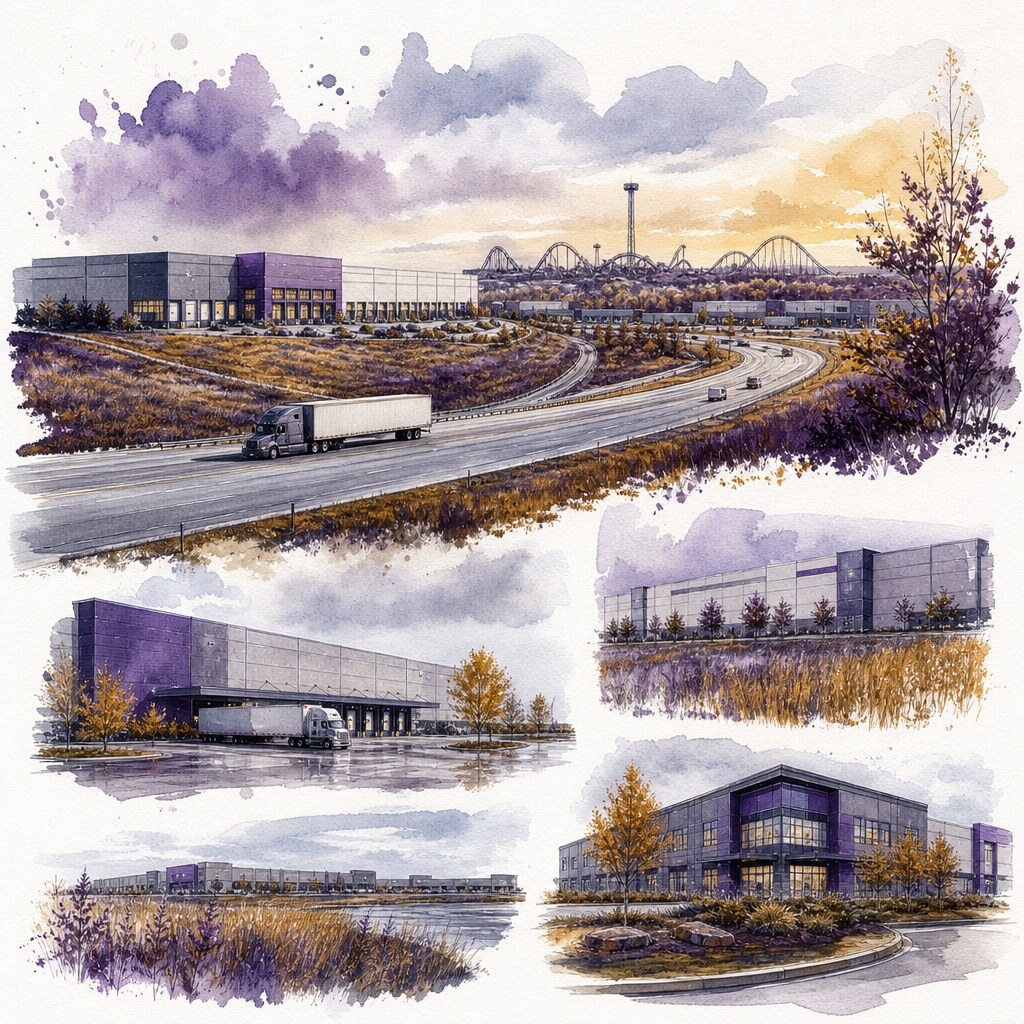
At a glance: Altoona
- Located along I-80 and near the I-35 corridor, with three I-80 interchanges
- Warehouses and distribution centers are established parts of Altoona's business landscape
- Meta's Altoona data-center project is planned to exceed 5 million square feet when complete
- The city identifies tourism, retail, hospitality, utilities, and small-business resources
Location
Interstate access supports many business models
The City of Altoona describes the community as ideally situated along I-80 and very near I-35, with three I-80 interchanges entering the city. That access is meaningful for distribution, delivery, construction, maintenance, and service businesses, but it also supports customer-facing companies that want to be reachable from several parts of the metro. A company evaluating a site or expansion should consider more than drive-by visibility: loading, parking, employee commutes, delivery routes, signage, and the cost of getting work to customers all belong in the operating plan.
Loan proceeds can be tied to a defined transportation-related need. Examples include a commercial vehicle, material-handling equipment, warehouse fixtures, dispatch technology, or a build-out that improves the customer or employee experience. Separating those costs from recurring payroll, fuel, rent, and insurance helps an owner see how much capital is truly needed and how the obligation fits the business's normal cash cycle.
Economic anchors
Plan with logistics and data infrastructure in mind
Altoona's location advantages have helped make the city home to warehouses and distribution centers. The city also says Meta is building what it describes as the world's largest data center and that the project is expected to exceed 5 million square feet when complete. These anchors provide important context without determining the prospects of any individual company. Suppliers, contractors, maintenance businesses, professional services, and other operators still need a clear customer connection, cost structure, and plan for capacity.
A business serving industrial or infrastructure-related clients may face costs that arrive before its customer is paid. Equipment, safety supplies, vehicles, certifications, materials, and payroll can all affect working capital. A careful request identifies the contract or operating purpose when available, the timing of expenses and receivables, and the reserve needed for ordinary bills. It is wise to avoid treating a large development as guaranteed demand; build the plan around documented work and realistic assumptions.
Local support
Use Altoona's development resources as a starting point
Altoona's Economic Development Department describes the city as development-friendly and says staff can assist with site selection, business incentives, community information, and the development process. The city's business resources also point owners toward MidAmerican Energy, the Altoona Area Chamber of Commerce, the Small Business Administration, DMACC's 10,000 Small Businesses program, and the Iowa Center for Economic Success. Those organizations serve different purposes, from utilities and business connections to education, coaching, credit lending, and tax services.
Owners should confirm current eligibility, requirements, and availability directly with each organization. Separately, a financing plan benefits from an early review of the Iowa Business License Center, sales tax, liquor or tobacco licensing when relevant, sign permits, building and zoning codes, and commercial utility service. Addressing those practical requirements can clarify the total project budget before an owner commits to a lease, equipment order, renovation, or opening date.
Customer economy
Retail, hospitality, and tourism create local opportunity
The city identifies Altoona as home to more than 20,000 residents and major tourism destinations, and notes that hospitality, retail, and service businesses can be a good fit for the community. That combination can bring several types of demand to one market: regular local purchases, visitor spending, group or event-related business, and services for people traveling through the area. Each business should still validate its own concept, location, hours, staffing, and customer-acquisition costs before borrowing.
Practical funding uses in this part of Altoona may include kitchen or point-of-sale equipment, furnishings, signage, tenant improvements, inventory, or a vehicle for delivery and service. A hospitality operator may need to plan for training and opening costs; a retailer may need to time a purchase around its merchandising calendar; a service provider may need rooms, tools, or scheduling software. The strongest request connects each expense to a specific operating need rather than relying on the city's overall growth as a promise.
Operations
Build capacity without losing sight of cash flow
A company in Altoona may serve Des Moines, Pleasant Hill, Bondurant, Runnells, and other nearby communities in addition to local customers. That reach can be useful for a contractor, courier, repair company, commercial cleaner, or professional practice, but it brings travel, scheduling, fuel, and receivables into the equation. Before adding a vehicle, employee, route, or service line, compare the additional revenue you can document with the full cost of delivering it.
Working capital can help with a defined timing gap, while equipment financing or a term loan may be more appropriate for a durable asset; the right fit depends on the business and its qualifications. Prepare recent revenue and expense information, a list of existing obligations, the requested amount, and a use-of-funds schedule. That information makes it easier to discuss repayment alongside payroll, inventory, utilities, taxes, maintenance, and other recurring commitments.
Seasonal planning
Prepare for changing visitor and customer patterns
Tourism and hospitality can create calendar-sensitive demand, while retail and service companies may see their own changes around holidays, weather, school schedules, or local activity. The research does not establish a universal Altoona season or promise a particular sales lift, so owners should use their own records wherever possible. Compare monthly sales, labor, inventory, deposits, and outstanding invoices to see when cash is strongest and when preparation costs arrive first.
A seasonal funding request should name the amount, the period it covers, and the way it will be repaid. Inventory purchased for a defined selling period, temporary payroll, maintenance before a busy stretch, or a modest customer-area refresh may each require a different budget. Avoid borrowing against an optimistic forecast alone. A conservative scenario that includes slower weeks and ordinary operating expenses gives an owner a more useful view of risk and flexibility.
Access
Connect Altoona's local base with regional reach
Altoona's interstate access and proximity to the metro can help a business recruit customers and serve commercial accounts beyond one neighborhood. The city also notes that Des Moines International Airport is about a 25-minute drive away, a practical consideration for companies coordinating visitors, vendors, or regional travel. Those connections are advantages to evaluate, not guarantees of revenue. A business plan should show which customers it serves, how they find the company, and what additional capacity the requested capital creates.
For an owner comparing expansion options, a service-area map and simple capacity model can be valuable. List current customers, average job or transaction size, travel time, staffing needs, and the point at which another vehicle, tool, room, or employee becomes necessary. With that detail, a financing discussion can stay focused on an identifiable Altoona opportunity and a manageable obligation rather than a vague goal of getting bigger.