
Business funding in Urbandale
Business loans for the way Urbandale works
Urbandale brings established neighborhoods, active commercial corridors, and new mixed-use opportunities together in the northwest Des Moines area. A company on 86th Street has different needs from a Downtown Urbandale retailer, a service business near the Urban Loop, or a growing operation west of Interstate 35/80. Des Moines Business Loans is an independent business loan broker and business financing broker, not a direct lender. We help businesses understand financing options and may connect qualified businesses with third-party financing providers; we do not make final credit decisions or guarantee approval, rates, terms, amounts, or timing. Use this page as a practical starting point for a funding conversation shaped by your location, plans, and cash flow.
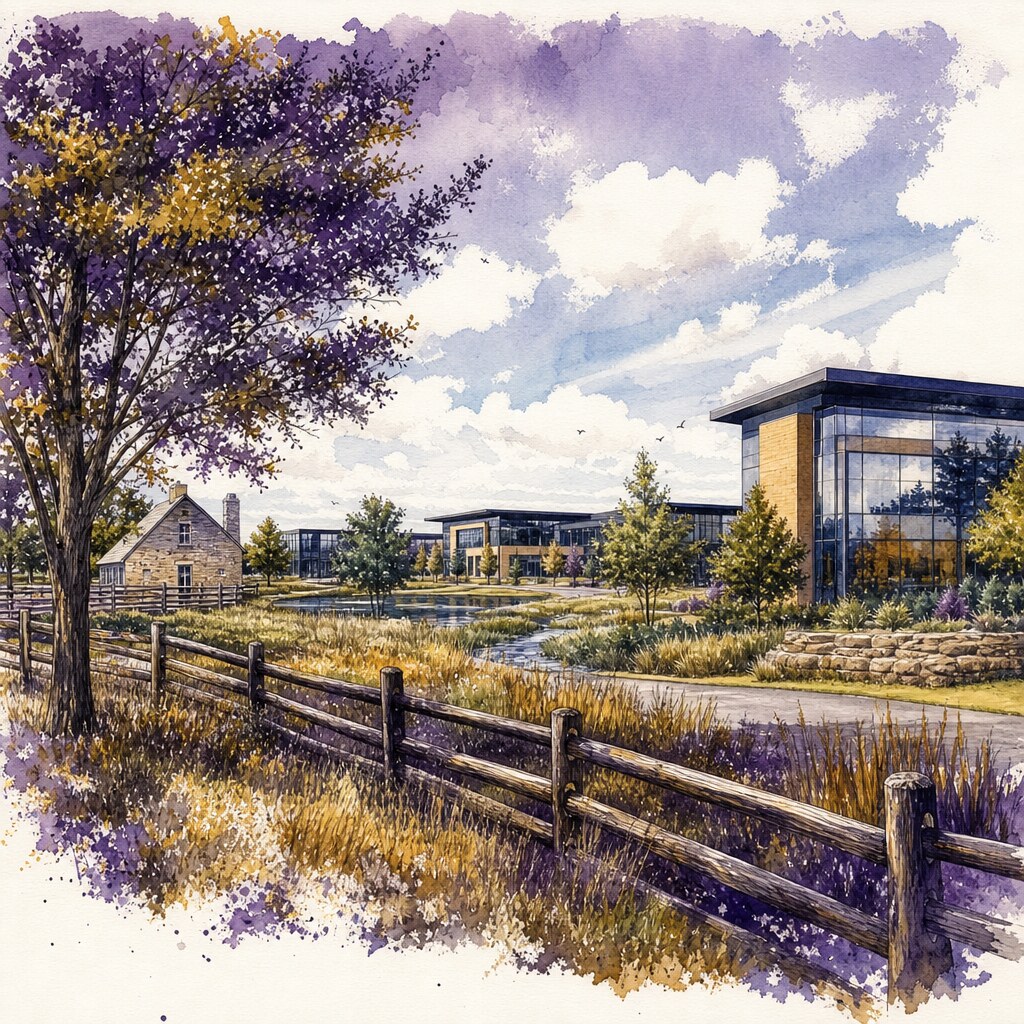
At a glance: Urbandale
- Key commercial areas include 86th Street, 100th Street, Douglas Avenue, Downtown Urbandale, Northpark, Plum District, and the Urban Loop.
- The City and Urbandale Chamber partner with the Iowa Small Business Development Center to assist local owners and entrepreneurs.
- Downtown Urbandale sits next to the transforming Merle Hay Mall district and has connections to surrounding communities.
A connected business setting
A local market with several kinds of commercial opportunity
Urbandale's business landscape is not limited to one center or one customer pattern. The City's comprehensive plan describes major corridors at 86th Street, 100th Street, and Douglas Avenue, along with commercial nodes west of Interstate 35/80. These areas are intended to provide essential goods and services while becoming more visually appealing and friendlier to people walking or biking. For a business owner, that mix can mean planning for visibility, convenient access, a polished storefront, or an efficient service operation depending on the site.
The City also identifies Downtown Urbandale, Northpark, Plum District, the Douglas Avenue/Parkway District, and the Urban Loop as development areas with distinct potential. A loan conversation is more useful when it starts with the project rather than a generic product. Owners can outline whether they are opening, relocating, renovating, buying equipment, or smoothing a gap between expenses and receivables, then evaluate which financing structure fits the business's actual obligations.
Commercial corridors
Plan around 86th, 100th, and Douglas Avenue
The 86th Street and 100th Street corridors serve as important commercial spines for Urbandale. Douglas Avenue adds another established route for businesses and customers, while areas west of Interstate 35/80 offer additional room for commercial activity. Businesses along these roads may include customer-facing retail, restaurants, professional services, and companies that need practical access for crews or deliveries. Each use brings a different build-out, signage, technology, vehicle, and working-capital checklist.
Funding can be part of a broader operating plan rather than a last-minute answer. A restaurant may be reviewing kitchen equipment and opening inventory; a service company may be replacing vehicles or adding tools; a professional office may be budgeting for furnishings, software, and tenant improvements. Prepare a clear list of uses and expected payment dates before comparing options. Keeping the request tied to a defined corridor project makes it easier to discuss what the business can reasonably manage.
Downtown and Merle Hay
Position a storefront for a changing district
Downtown Urbandale includes some of the City's oldest neighborhoods and commercial areas and is directly adjacent to Merle Hay Mall. City planning describes new businesses and mixed-use development revitalizing Downtown as a distinct destination, while the City of Des Moines partnership around Merle Hay is creating opportunities for dining, entertainment, unique retailers, and diverse housing. A business entering this setting may be balancing neighborhood familiarity with the chance to serve a broader regional audience.
That balance can shape financing priorities. Tenant improvements, accessibility work, exterior updates, point-of-sale equipment, furnishings, and initial inventory may all arrive before revenue settles into a pattern. Retail and hospitality owners should also map busy weekends, event-related demand, weather-sensitive periods, and slower stretches rather than assuming every month will look alike. A measured plan can help separate one-time opening costs from the working capital needed to operate through the ramp-up.
Development areas
Match capital to Northpark, Plum District, or the Urban Loop
Urbandale's development-area map points to Northpark, Plum District, the Douglas Avenue/Parkway District, and the well-connected Urban Loop in addition to historic Downtown. These options give owners and developers different settings to consider, from an established destination to a newer, more connected district. The right financing discussion depends on whether the business is taking space, improving an existing property, adding capacity, or purchasing the equipment that lets a team serve more customers.
For a growing company, the timing of a project can matter as much as its size. A lease deposit, design and permitting work, contractor invoices, equipment deposits, and opening payroll may be due at different points. A mature business might instead need capital for a replacement machine, technology upgrade, inventory purchase, or expansion of its service area. Documenting those milestones helps owners ask focused questions and avoid treating every need as the same kind of debt.
Business support
Use local guidance alongside a financing plan
The City of Urbandale and the Urbandale Chamber of Commerce partner with the Iowa Small Business Development Center to assist local business owners and entrepreneurs. The Chamber also works with the City to encourage investment and job creation, with an emphasis on existing business success among its economic-development focuses. Those local relationships are useful reminders that financing is only one part of a sound project plan. Owners can clarify the business case, site questions, and operating assumptions before making a borrowing decision.
For businesses considering a request, useful preparation includes recent business financial information, a concise description of the project, estimates or quotes for major purchases, and a realistic view of recurring expenses. Be specific about whether funds would support inventory, payroll during a transition, marketing, technology, equipment, renovations, or a vehicle. Clear uses make an initial discussion more productive.
People, places, and demand
Think beyond one neighborhood
Urbandale's connections to surrounding communities broaden the setting in which local businesses operate. Downtown's proximity to Merle Hay and its walking environment can support a different customer journey than a destination reached primarily by car along a major corridor. A company may serve nearby residents, commuters, neighboring businesses, or customers who come for a particular retailer, restaurant, service, or appointment. Mapping those audiences can help an owner decide whether capital should go toward a visible customer experience, delivery capability, staffing, or back-office capacity.
The City's designation as a 2026 Iowa Thriving Community also places attention on housing opportunities and community growth. That designation is not a promise of business performance, but it is relevant context for owners planning over several years. A housing-oriented, mixed-use environment can change how businesses think about hours, services, inventory, and team capacity. Financing decisions should still rest on the company's own records and projections, with local change treated as context rather than a substitute for due diligence or a guarantee from a financing provider.
Practical planning
Build a financing plan that respects the calendar
Urbandale businesses can experience different rhythms depending on their work. Retail and dining may see stronger periods around holidays, community activity, or special events; contractors and trades may schedule more work when weather supports outdoor projects; professional and business-to-business services may follow client budgets and contract cycles. These are planning considerations, not promises about demand. Looking at the company's own monthly deposits, invoices, payroll, and recurring bills is the best way to identify when a capital need is temporary, seasonal, or part of a longer expansion.
Owners can then compare a defined use with the repayment obligation it creates. Capital for equipment should account for installation, maintenance, and training; an improvement project should include materials and labor; inventory funding should consider ordering and sell-through; and working capital should have a specific operating purpose. Des Moines Business Loans can provide a place to organize those questions without assuming that one answer fits every Urbandale company. The goal is a clear, locally informed next step.